Abstract Fluid Creative Templates: Vibrant Design Assets
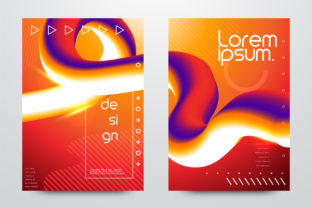
In the world of modern design, static backgrounds often fail to capture the dynamic energy required to make a brand stand out. You need assets that move with the times, even when they are sitting still. This is where Abstract Fluid Creative Templates come into play. These aren't just random blobs of color; they are sophisticated, high-resolution design assets that mimic the organic movement of liquids, watercolors, and metallic gradients. They offer a solution for anyone looking to inject life, depth, and a touch of luxury into their visual projects without spending hours rendering 3D graphics.
The core appeal of these templates lies in their versatility and visual richness. When you open a set containing EPS10 and JPEG High Resolution files, you are unlocking a toolkit designed for flexibility. The fluid style is characterized by smooth transitions, vibrant color spectrums, and organic shapes that feel both futuristic and natural. Whether you are a designer working on a tight deadline or a small business owner trying to elevate your DIY marketing, these assets provide a professional polish that is difficult to achieve from scratch.
The Visual Personality of Fluid Design
Abstract fluid art is defined by its lack of rigid structure. It relies on the interplay of light, color, and form to create a mood. In the context of Abstract Fluid Creative Templates, this style often features "blobs" or waves that look like they are suspended in motion. The personality of this design style is inherently bold, energetic, and confident. It avoids the sterile feel of flat, geometric patterns in favor of something that feels tactile and organic.
When utilizing a color covers set or background pack, you will notice how these templates influence the atmosphere of a project. A dark, moody fluid background with metallic highlights suggests mystery and luxury, perfect for a high-end product launch or a tech startup. Conversely, bright, pastel fluid shapes convey playfulness and creativity, making them ideal for lifestyle blogs or artistic portfolios. The visual characteristics are versatile enough to bridge the gap between modern typography and classic aesthetics, providing a canvas that enhances any display font placed on top of it.
Practical Applications Across Industries
One of the biggest challenges in design is finding assets that translate well across different mediums. A graphic that looks good on a website might look muddy in print. Because these templates are provided in both EPS10 and JPEG High Resolution, they bridge that gap effectively. The EPS vector files allow for infinite scaling, which is crucial for large-format printing, while the high-res JPEGs are ready for immediate digital deployment.
Digital Presence and Social Media
For social media graphics, attention is the currency. Algorithms favor visually engaging content, and fluid backgrounds are stop-scrollers. They work exceptionally well as backgrounds for Instagram stories, Facebook ads, or YouTube thumbnails. The organic shapes frame text beautifully, allowing you to use a bold serif font or a clean sans serif font for readability. If you are a content creator, using these templates ensures your feed looks cohesive and professional, reinforcing your brand identity without the need for a full rebrand.
Branding and Logo Design
While you wouldn't necessarily use a complex fluid background inside a logo icon, these templates are invaluable for the "world" around the logo. They are perfect for brand presentations, pitch decks, and business card backgrounds. When paired with a strong logo design, a fluid background adds context and emotion. For example, a financial advisor might use a subtle, dark blue fluid gradient to suggest stability and depth, while a creative agency might use a neon fluid splash to suggest innovation.
Print and Packaging
In packaging design, texture sells. Consumers are drawn to products that look premium. Using Abstract Fluid Creative Templates on box inserts, labels, or sleeve designs adds a tactile quality to the visual experience. Because the files are high resolution, the gradients remain smooth without pixelation, ensuring that the final printed product looks as good as it does on screen. This is particularly useful for the beauty, tech, and food industries where visual appetite is key.
Enhancing Brand Perception and Engagement
Design is psychology. The tools you choose send subconscious signals to your audience. By incorporating fluid, abstract elements, you signal that your brand is modern, adaptable, and forward-thinking. This style moves away from the rigid, corporate structures of the early 2000s and embraces a more human, organic approach to technology.
Visual hierarchy is also easier to establish with these templates. The organic shapes naturally guide the viewer's eye. You can place your key message in the negative space created by a fluid "blob," ensuring it stands out. This improves readability and engagement because the background supports the text rather than competing with it. When your audience can easily digest your message, they are more likely to trust your brand and take action.
Strategic Implementation for Designers and Entrepreneurs
Simply downloading a set of templates is not enough; you need to implement them strategically. Here is how to get the most out of your Abstract Fluid Creative Templates:
- Evaluate the Project Fit: Before applying a template, ask yourself if the energy level matches the project. A chaotic, neon fluid background might be too loud for a meditation app, but perfect for a music festival poster.
- Master Font Pairing: Fluid backgrounds are busy. To maintain professionalism, pair them with legible typefaces. Avoid overly decorative script fonts or handwritten fonts for body copy. Instead, use a clean geometric sans serif font for the main text and a bold display font for headlines to create contrast.
- Color Coordination: Use the eyedropper tool in your design software to pull colors directly from the fluid template. Use these colors for your text accents, buttons, or icons. This creates a harmonious font pairing and visual flow that feels intentional.
- Testing for Readability: Always test your designs on mobile devices. A complex background might look stunning on a 27-inch monitor but become distracting on a 6-inch phone screen. You may need to lower the opacity of the background or add a subtle overlay to ensure your text remains the hero of the design.
Technical Considerations: EPS vs. JPEG
Understanding your file formats is essential for a smooth workflow. The inclusion of EPS10 files in a premium font or asset pack is a sign of professional-grade quality. EPS (Encapsulated PostScript) is a vector format. This means you can scale the design to the size of a billboard without losing quality. It is fully editable in software like Adobe Illustrator, allowing you to change colors, merge shapes, or adjust gradients to fit your specific brand palette.
On the other hand, JPEG High Resolution files are "raster" or pixel-based. They are ready to use immediately in almost any software, from Canva to Photoshop. They are best for digital use where file size and compatibility are priorities. Having access to both gives you the ultimate flexibility: use EPS for your high-stakes print work and JPEGs for your rapid-fire social media content.
Conclusion: Elevating Your Creative Toolkit
In a saturated digital landscape, generic visuals are invisible. Abstract Fluid Creative Templates offer a pathway to distinctiveness. They serve as a bridge between the abstract concept of "brand personality" and the concrete reality of visual marketing. Whether you are a freelancer crafting a portfolio, a marketer designing a campaign, or a hobbyist creating invitations, these assets provide the texture, color, and modern flair needed to make your work resonate. By combining these dynamic backgrounds with thoughtful typography and strategic placement, you transform your designs from simple layouts into immersive visual experiences. Investing in high-quality design assets like these is not just about making things look pretty; it is about communicating value, capturing attention, and building a brand that feels alive.