Junk Journal Index Card Templates for Creative Designers
Why These Templates are a Designer’s Secret Weapon
When we talk about design assets, we usually mean a single logo or a font file. However, the most effective workflow tools are often the ones that provide a structured starting point without limiting creativity. Junk Journal Index Card Templates represent exactly that kind of flexibility. They aren't just static images; they are a comprehensive ecosystem of files designed to fit into any production pipeline. Whether you are a graphic designer building a mood board, a blogger creating printable inserts, or an entrepreneur designing packaging inserts, these templates offer a raw, textured aesthetic that is incredibly difficult to replicate from scratch.
The visual personality of these templates is rooted in the "junk journal" aesthetic—a style that celebrates imperfection, layering, and vintage charm. Think of it as the antithesis of sterile, corporate minimalism. It is a handwritten font style brought to life through layout rather than just letterforms. The appeal lies in its ability to evoke nostalgia and authenticity. In a digital landscape saturated with polished, vector-perfect graphics, a design that looks tactile and personal stands out. These templates allow you to introduce that warmth into your brand identity without sacrificing professional quality.
Maximizing Your Workflow: Multi-Format Versatility
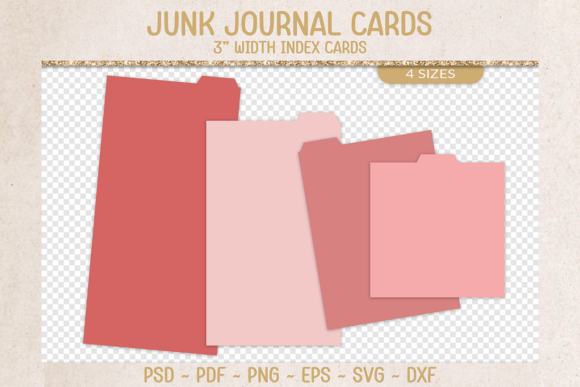
The true value of this package lies in the delivery of fully editable PSD, EPS, SVG, and DXF files. This is not a "one-size-fits-all" solution; it is a professional toolkit. For those working in Adobe Photoshop, the PSD files allow for deep layer manipulation—adjusting textures, shadows, and typography placement with precision. If your workflow relies on vector-based software like Adobe Illustrator or Affinity Designer, the SVG and EPS files ensure that your scaling remains crisp, which is vital for print design and large-format applications.
For the maker community, specifically those using Cricut or Silhouette machines, the inclusion of DXF and SVG files is critical. These cutting machine compatible formats mean you can physically produce these cards. Imagine creating physical product tags for a boutique clothing line or designing custom flashcards for a workshop. The templates bridge the gap between digital design and physical manufacturing. Furthermore, the PNG stencil option is a lifesaver for quick mockups or use in apps that don't support complex vector editing, ensuring you can integrate these assets into social media graphics instantly.
Strategic Application in Branding and Marketing
How does a "junk journal" style fit into a professional marketing strategy? The answer lies in the growing consumer demand for authenticity. In editorial design and web design, using these templates as background elements or call-to-action boxes can soften a brand's voice. It signals to the audience that the brand values the personal touch. For example, a coffee roaster might use these index card templates on their website to share brewing instructions, mimicking a recipe card passed down through generations. This creates an emotional connection that a standard sans-serif block cannot achieve.
When considering font pairing, these templates work best when contrasted with clean, modern typography. Because the templates themselves have a lot of visual texture and personality (akin to a display font or script font), pairing them with a simple sans serif font for body text is a smart move. This ensures readability and establishes a clear visual hierarchy. You want the index card to be the focal point—the "voice" of the design—while the supporting text remains legible and unobtrusive.
Practical Tips for Implementation
- Commercial Use: Always verify the licensing, but templates of this nature are typically designed for commercial projects. This makes them ideal for small business owners creating merchandise or publishers designing book covers and interior art.
- Color Theory: Since the templates are editable, you can adjust the color palette to match your brand identity. However, try to keep some of the "grain" or texture visible to maintain that authentic junk journal feel.
- Print Production: When using the PDF outline printable, ensure your printer settings are adjusted for the specific paper stock you are using. A heavier cardstock will enhance the tactile feel of the final product, reinforcing the "index card" concept.
Ultimately, Junk Journal Index Card Templates